
By goal
Investing on Koh Samui: villa rentals and net returns
Koh Samui attracts investors with lower supply than Phuket, high nightly rates for villas and guests who come back every year. The market follows its own rules, though: a different season, different guests and different competition. Here is how to assess a Koh Samui property investment realistically.
Current offers: Investing on Koh Samui: villa rentals and net returns
A selection from our current offer, cheapest first. The list updates itself whenever offers change.
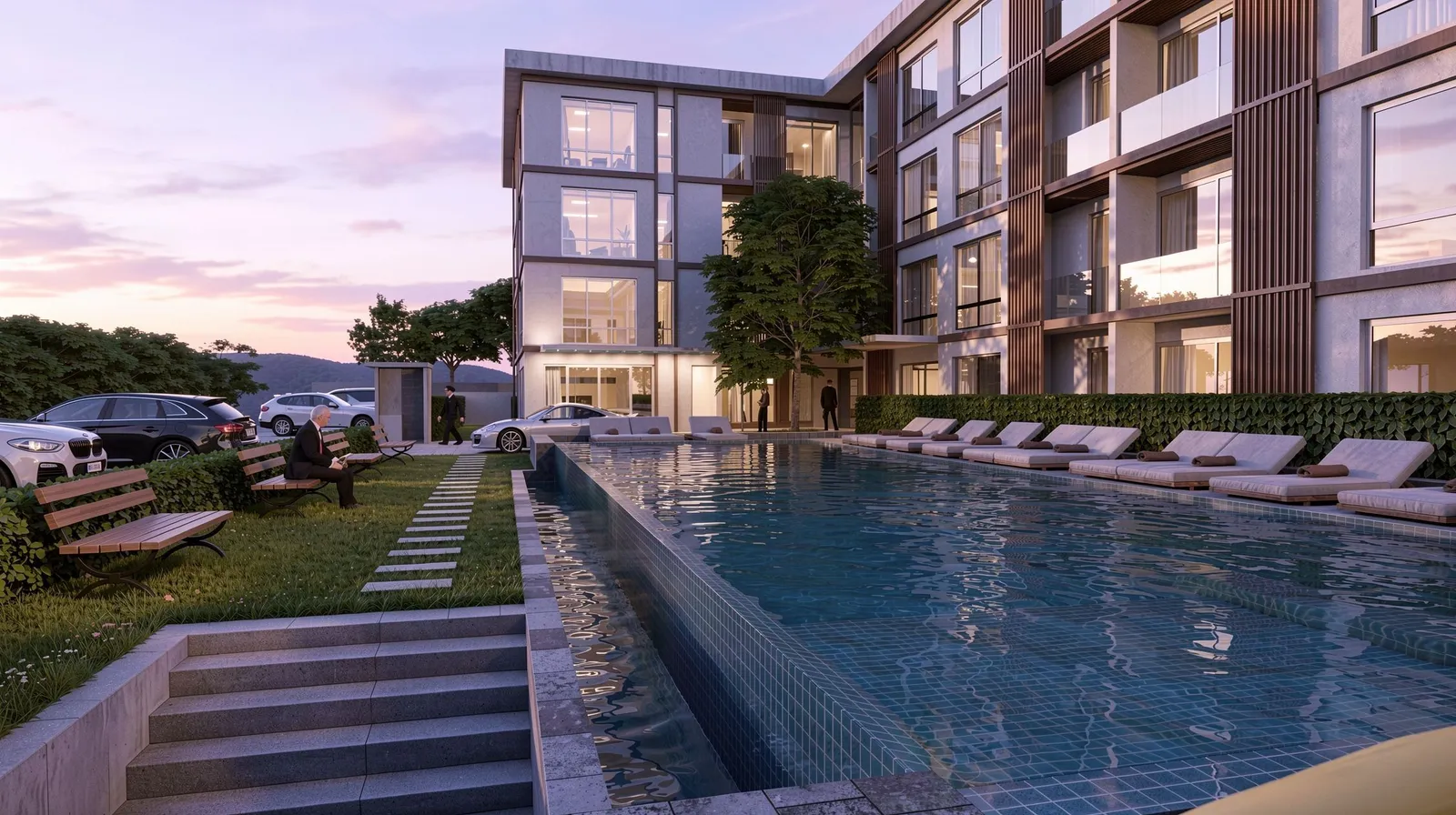 NewSee the offerBophut, Koh SamuiThe Boon Samuistudio-2 bedrooms · 32-54 m² · Completion: under construction (started Aug 2026)Price from3 084 650 THBROI / yeardo 10%
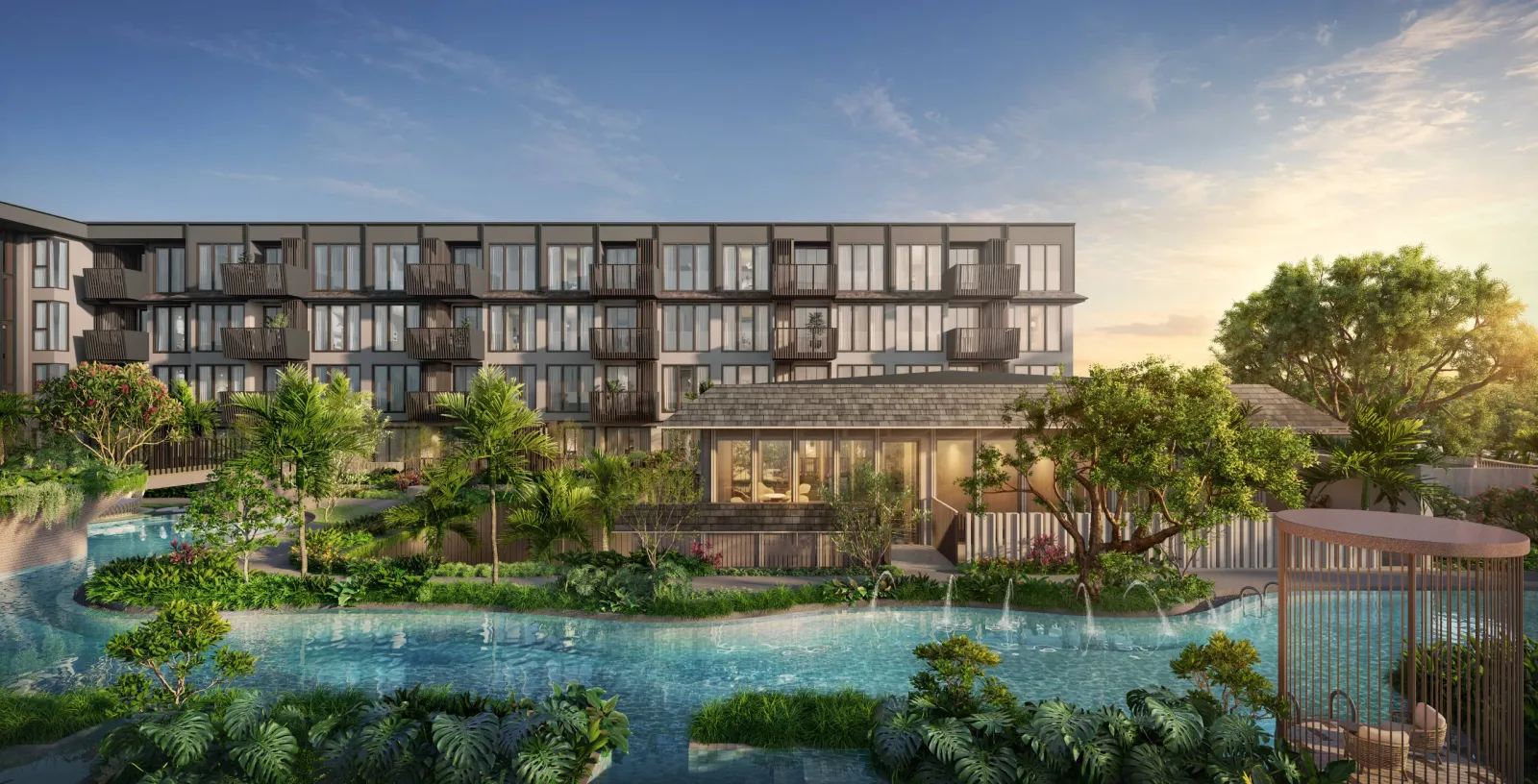 NewSee the offerBophut, Koh SamuiThe Astra Samuistudio-2 bedrooms · 26-74 m² · Completion: December 2028Price from3 426 000 THBROI / year8%+
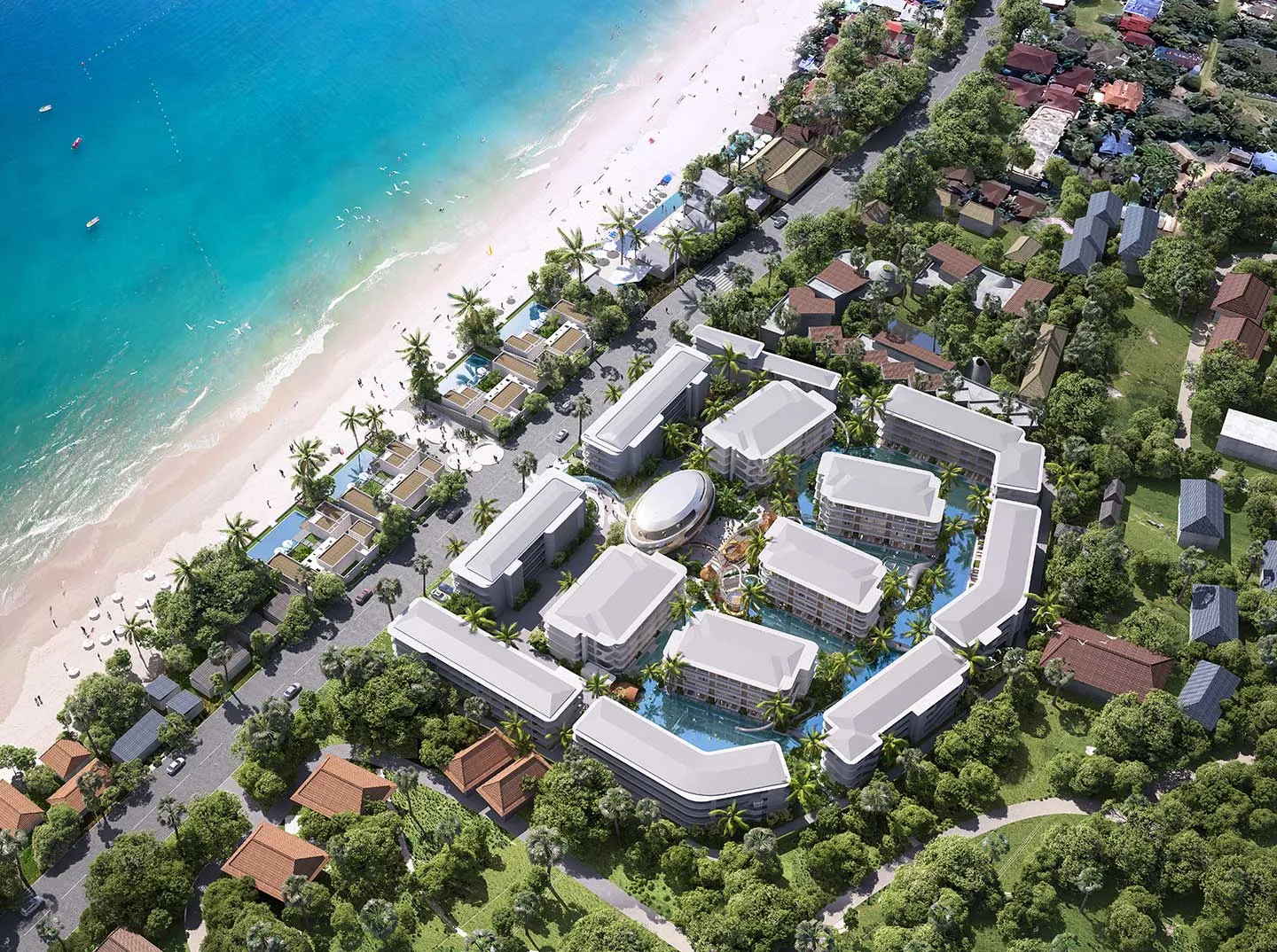 NewSee the offerBophut, Koh SamuiANAVA Samuistudio-2 bedrooms · 28-59 m² · Completion: Under constructionPrice from3 500 000 THBROI / year8-12%
 NewSee the offerChaweng, Koh SamuiCasa Una Residence1-4 bedrooms · plots 211-410 m²Price from5 500 000 THBROI / yeardo 12%
 NewSee the offerMaenam, Koh SamuiSuccess Green Boutique Villa1-3 bedrooms · 86-195 m²Price from5 700 000 THBROI / year—
 NewSee the offerBan Tai, Koh SamuiAraya3 bedrooms · 123 m² (205 m² with terrace, pool and parking) · Completion: December 2026Price from6 900 000 THBROI / yeardo 14%
Why invest in Koh Samui
Samui has no towers and no hundreds of new complexes competing for the same guests. The island draws travellers looking for peace, families, honeymooners and people who spend the whole winter here. These guests spend more per night and often book longer stays.
Limited airport capacity works both ways: it protects the island from mass tourism but also means visitor numbers grow more slowly than on Phuket. On Samui the quality of the property and the location matter more than sheer visitor numbers.
Koh Samui has a different season from Phuket
Samui lies on the other side of the peninsula from Phuket, so its weather is reversed. The wettest months are usually October, November and early December, while in July and August, the rainy season on Phuket, Samui is often sunny. That gives the island two high occupancy periods: January to April and the summer holidays.
For investors this spreads rental income more evenly across the year than in many other places in Thailand.
Villa or condo for rental
- Pool villa: a higher nightly rate, family and group guests, but higher running and service costs.
- Resort condo: a lower entry price, operator management and easier remote ownership.
- Villa in a managed resort: a private pool combined with professional rental management.
How we calculate the return
Developers usually quote an estimated return of several percent a year. We treat it as a starting point, not a promise. For each property we calculate rental income after the management fee, common fees, utilities, pool and garden service, insurance and empty periods.
With guaranteed return programmes we check who pays the guarantee and from what, for how many years, and what happens when it ends. A guarantee is only as good as the finances of the company giving it.
Best areas for rental on Samui
- Bophut: Fisherman’s Village, restaurants, close to the airport; an all round location.
- Chaweng and Chaweng Noi: the most visitors and the highest occupancy.
- Choeng Mon: premium villas for guests who want privacy.
- Lamai: good value for its rental potential.
Who rents on Koh Samui
- Families and groups booking pool villas.
- Honeymooners and couples in boutique resorts.
- Winter residents staying for months.
- Repeat guests who return to the island every year.
Rental pool programmes on Samui
Many resorts pool the income of all units and share it among owners. This smooths out the difference between busy and quiet units. Check the share formula, the owner usage rights and the operator track record.
Gross vs net ROI for a Koh Samui villa
Developers on Koh Samui usually quote an estimated gross return of a few to the low teens of percent a year. After the operator commission, common fee, pool and garden service, utilities, insurance and empty weeks, the real net return is usually noticeably lower. We always calculate both figures so the decision rests on real numbers, not just the figure in a marketing brochure.
A standalone villa or one in a managed resort
- Standalone villa: more work for the owner choosing an operator and marketing it.
- Resort villa: a ready rental programme, but less owner control over pricing and the calendar.
- Resort villa: usually a higher common fee, but less self organising.
- Standalone villa: free to change operator without resort restrictions.
How to check a rental operator on Koh Samui
Before buying for investment, we check how long the operator has worked on the island, its portfolio of managed villas, and whether it shares historical occupancy data for similar units. A good operator is upfront about its commission and scope of service, not just an estimated income figure from a brochure.
Risks to know about
- A smaller resale market than Phuket, so selling may take longer.
- Baht exchange rate moves affect returns in your home currency.
- Short term rentals need a licence; in practice a licensed operator runs them.
- Villa maintenance costs rise as the building ages.
Frequently asked questions
How much can I earn renting a villa on Koh Samui?
It depends on location, standard and service. Developers quote estimates of several percent a year; for a specific villa we calculate the net result after every cost.
When is high season on Koh Samui?
From January to April and in July and August. The wettest months are usually October and November.
Can I manage a rental on Koh Samui from abroad?
Yes. Most owners hand the rental to a management company that handles bookings, guests and maintenance and sends reports and income.
Is a guaranteed return safe?
Only as safe as the company paying it. Before you buy we check its finances, the terms and how long the guarantee lasts.
Is Koh Samui a better investment than Phuket?
Samui has less supply and a different season; Phuket has a larger market and easier resale. The right choice depends on your goals.
What property type earns most on Koh Samui?
Sea view pool villas reach the highest nightly rates, while resort condos are simpler to own and manage.
What is the real net return on a Koh Samui villa?
Lower than the gross estimate in developer materials, once you subtract the operator commission, common fees, service and empty weeks. We calculate both figures for any specific villa.
Should I buy a standalone villa or one in a managed resort?
A resort villa comes with a ready rental programme but less pricing control. A standalone villa needs more work choosing an operator, but gives more flexibility.
This article is for information only and is not legal, tax or investment advice.