Can a foreigner buy property in Thailand?

Condos: full ownership for foreigners
The simplest route is a unit in a building registered as a condominium. Thai condominium law lets foreigners own such a unit outright, registered in their own name at the Land Office. You can later sell it, rent it out or pass it on.
The condition: units owned by foreigners in one building may not exceed 49% of the total unit floor area. Before you reserve, check that the development still has free foreign quota.
Where the money must come from
To own a condo freehold, the full amount has to be sent to Thailand from abroad in a foreign currency and converted to baht by a Thai bank. The transfer should state its purpose, such as buying a unit in a named building.
For larger amounts the bank issues a Foreign Exchange Transaction Form (FET). The Land Office asks for it at the transfer of ownership, so we plan the payment with you before the money leaves your home country.
Villas and land: leasehold instead of ownership
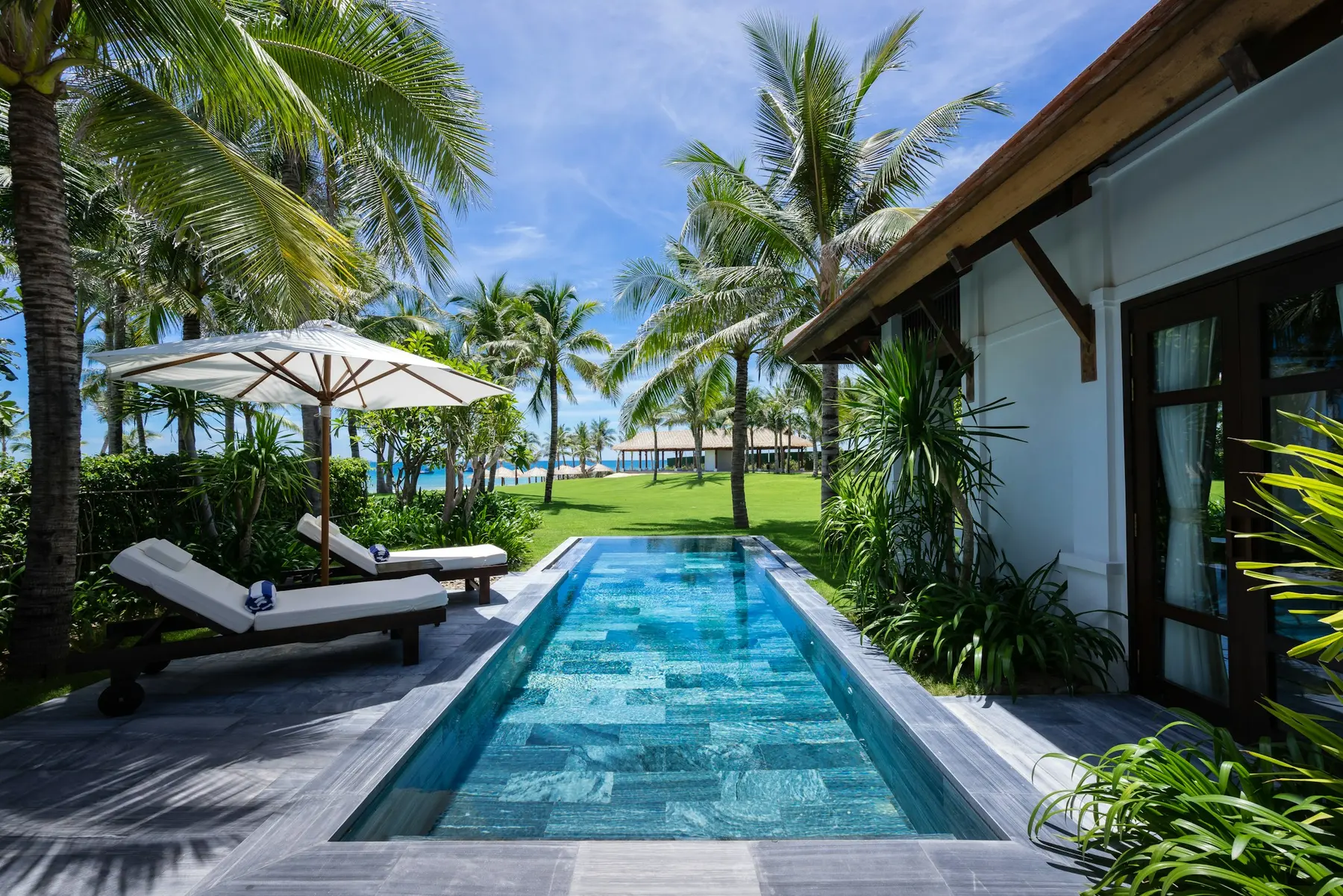
As a rule Thai law does not allow foreigners to buy land. Villas are therefore usually bought leasehold: the land is leased for a registered term (typically 30 years), while the building itself can belong to the buyer.
Contracts often include options to renew the lease. Remember that renewal is a contractual promise rather than a statutory guarantee, so a lawyer should review those clauses.
What to avoid
- Companies with nominee Thai shareholders set up only to get around the land rules. They are unlawful and risky.
- Buying without checking the land title and the developer’s permits.
- Transfers that do not qualify for an FET when you want to own a unit freehold.
Does buying give you a right to stay?
Owning property does not by itself grant a visa or residence. If you plan long stays in Thailand, look at the available visa programmes separately.
This article is for information only and is not legal, tax or investment advice. Rules and fees can change, so a lawyer should always check the details of a specific purchase.