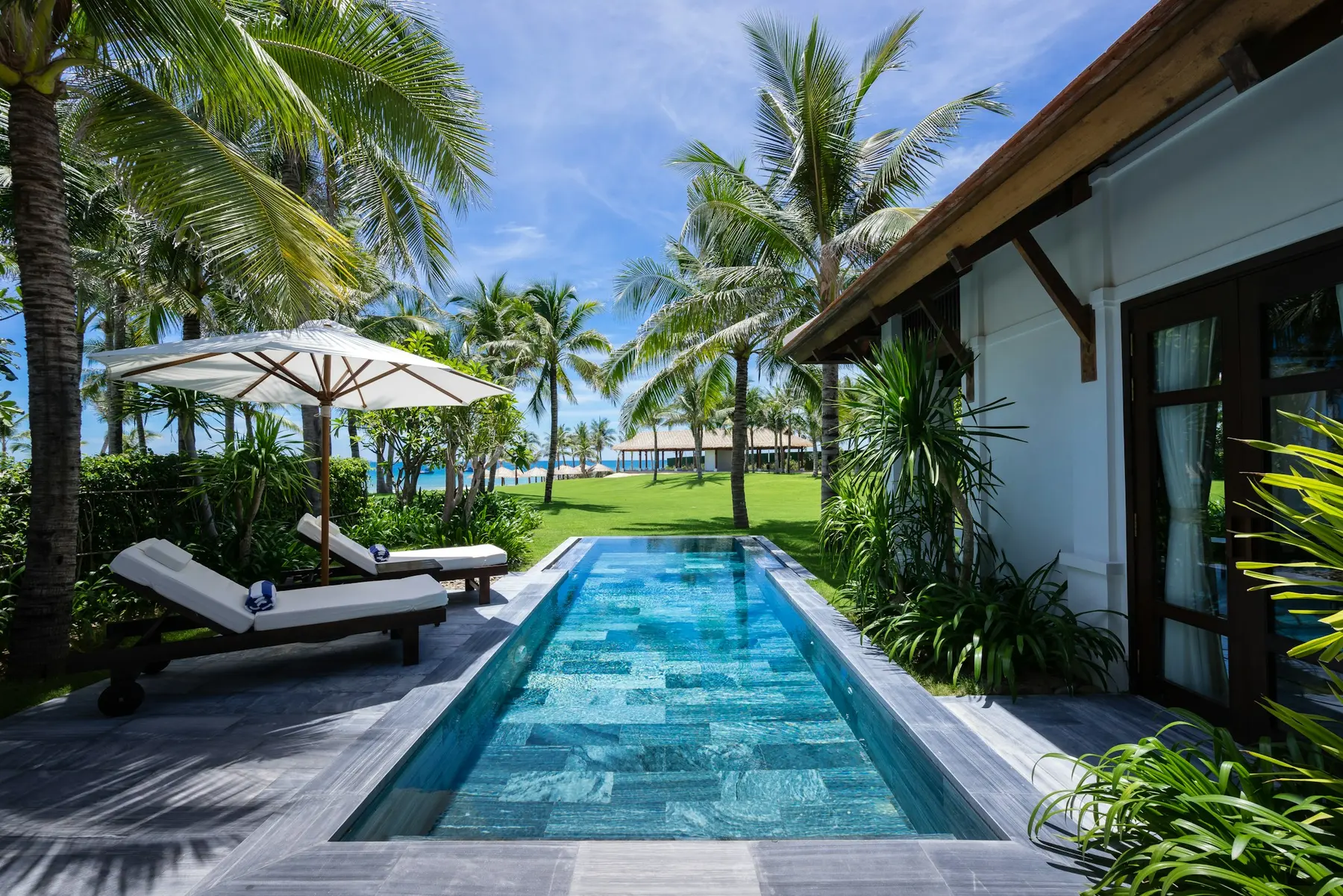
Renting out property in Thailand: returns without illusions

Short or long lets
Nightly lets bring the highest income in high season, but need management, cleaning and marketing. Under Thai rules, lets shorter than 30 days require a hotel licence, so in practice they are usually run by building operators or developer rental programmes.
Long lets, for months or years, bring lower but steadier income and less work. They suit Bangkok and Pattaya well.
Rental programmes and guaranteed returns
Many developers offer a rental pool or a guaranteed return for a few years. Before deciding, check who actually gives the guarantee, how it is secured, what happens when it ends, and whether it inflates the price.
Seasonality
Tourism in Thailand changes through the year, and the weather on the Andaman coast (Phuket) differs from the Gulf of Thailand (Koh Samui). Occupancy has to be estimated for a specific place, not for the whole country.
What reduces profit
- The operator’s or management company’s fee.
- Common area fees, utilities and insurance.
- Periods without guests or tenants.
- Replacing furniture every few years.
- Tax on rental income.
How we calculate returns
For a chosen offer we prepare a calculation after costs: income at cautious occupancy minus all fees. The result is an estimate, not a guarantee, but it lets you compare offers fairly.
This article is for information only and is not legal, tax or investment advice. Rules and fees can change, so a lawyer should always check the details of a specific purchase.