
Property type
Property in Thailand: buying guide, prices and current offers
Looking for property for sale in Thailand? This guide explains what foreigners can buy, where to buy on Phuket, Koh Samui and Pattaya, how much Thai real estate costs and how the buying process works from the first viewing to the land office transfer.
Current property for sale in Thailand
A selection from our current offer, cheapest first. The list updates itself whenever offers change.
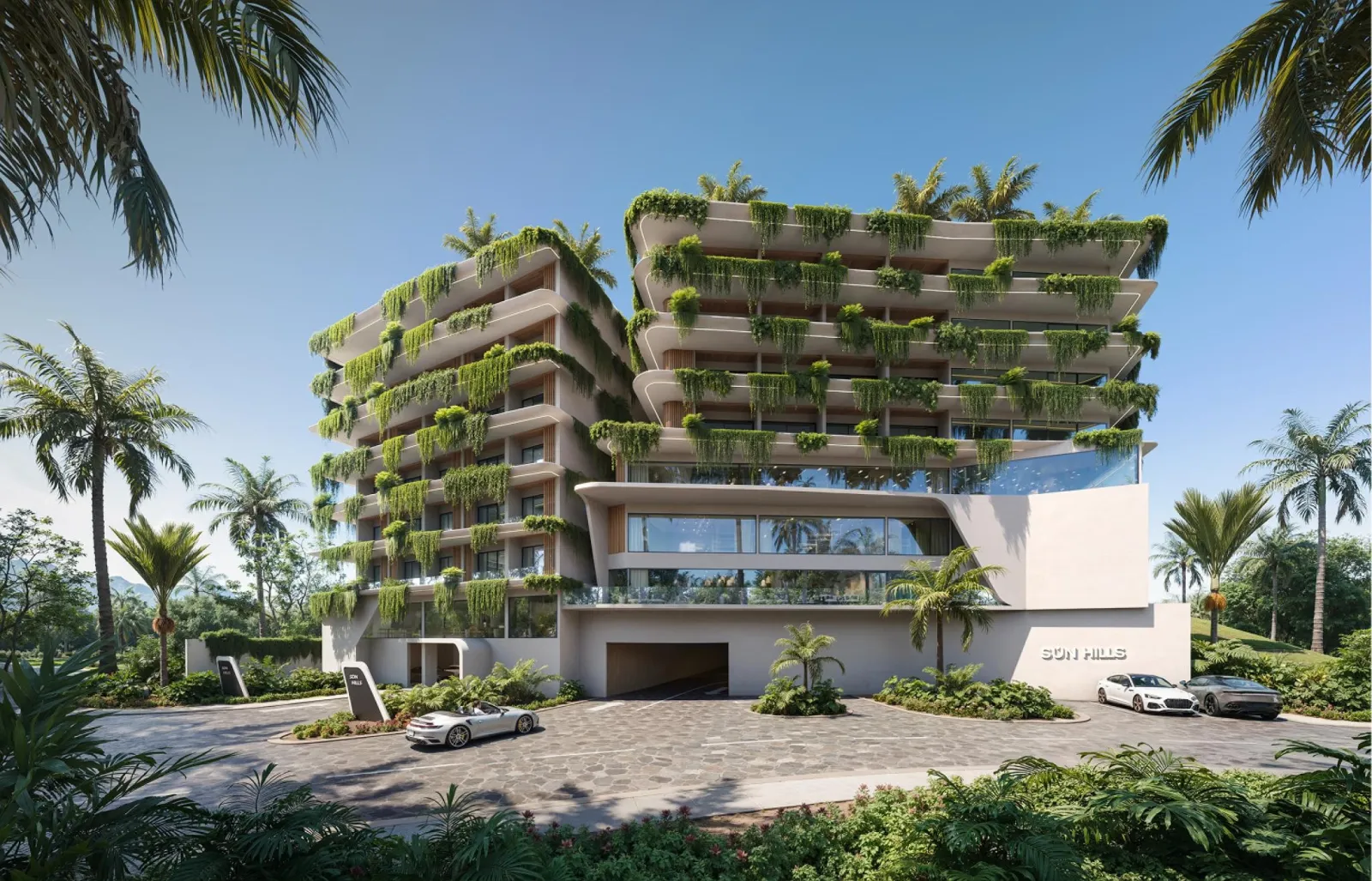 NewSee the offerLayan, PhuketSUN HILLS Layanstudio-3 bedrooms · 26.5-85 m² · Completion: Q4 2027Price from3 000 000 THBROI / year12-15%
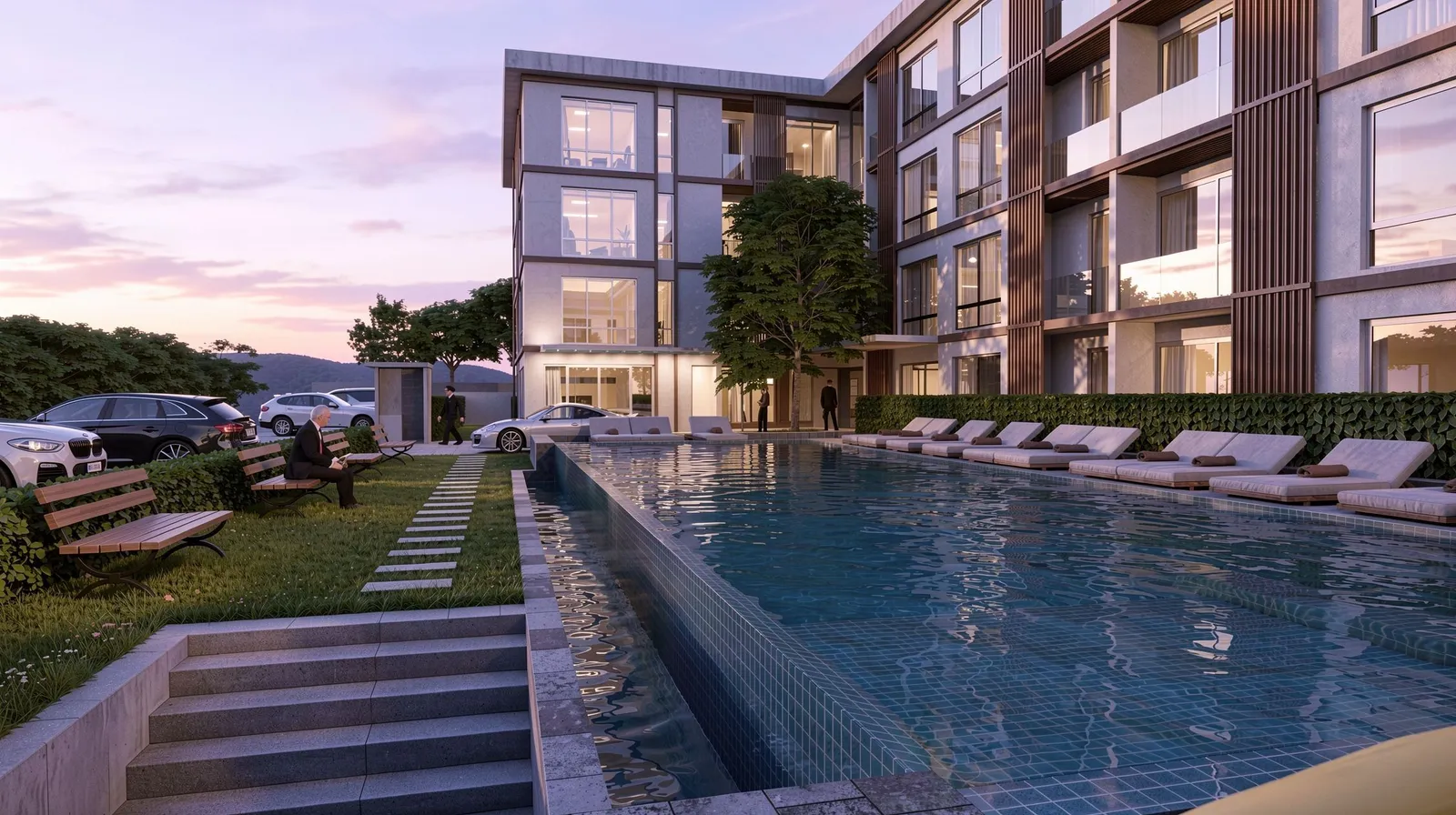 NewSee the offerBophut, Koh SamuiThe Boon Samuistudio-2 bedrooms · 32-54 m² · Completion: under construction (started Aug 2026)Price from3 084 650 THBROI / yeardo 10%
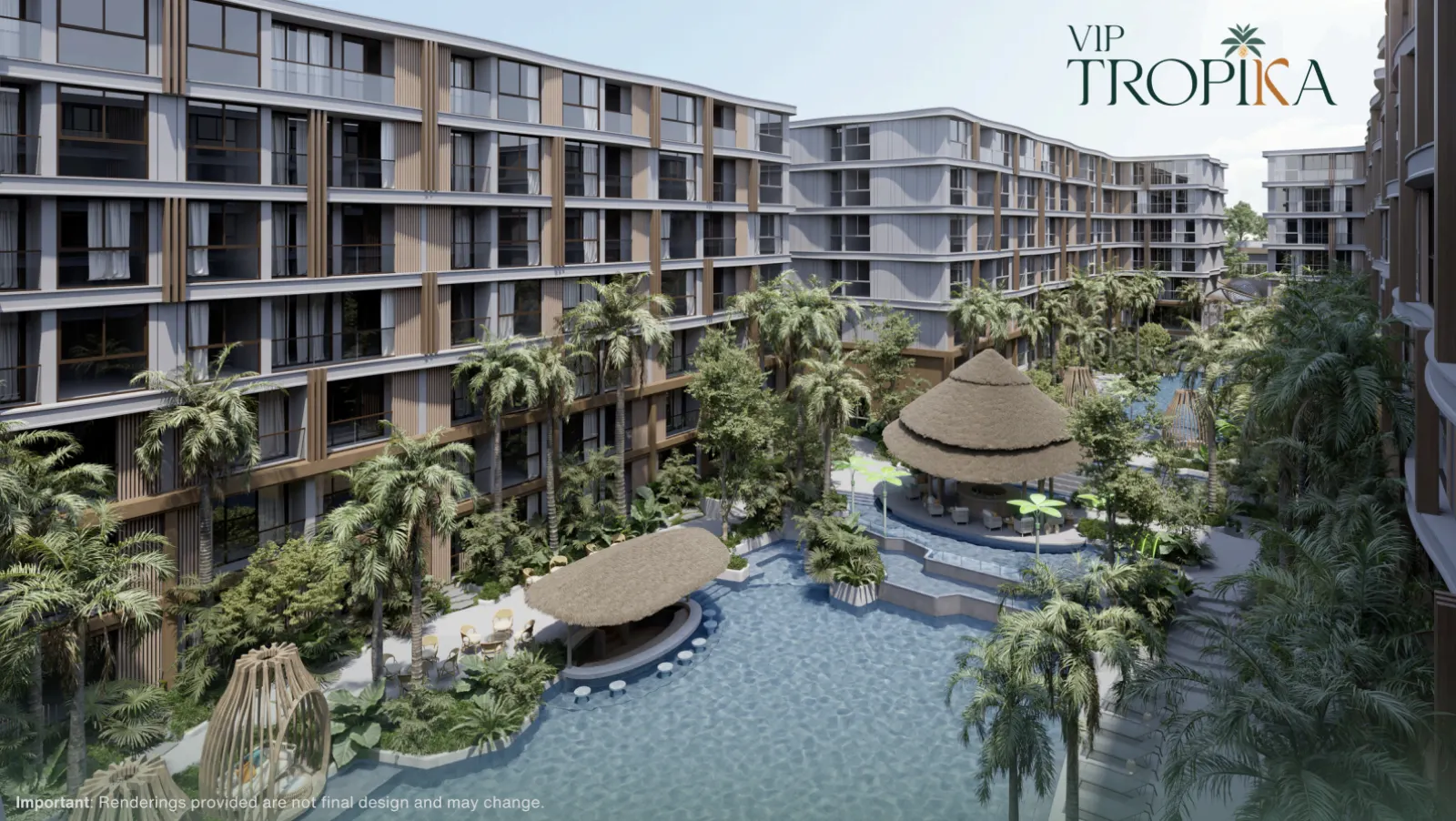 NewSee the offerBang Tao, PhuketVIP Tropika Bangtaostudio-3 bedrooms · 28-192 m² · Completion: 2028Price from3 300 000 THBROI / year8-12%
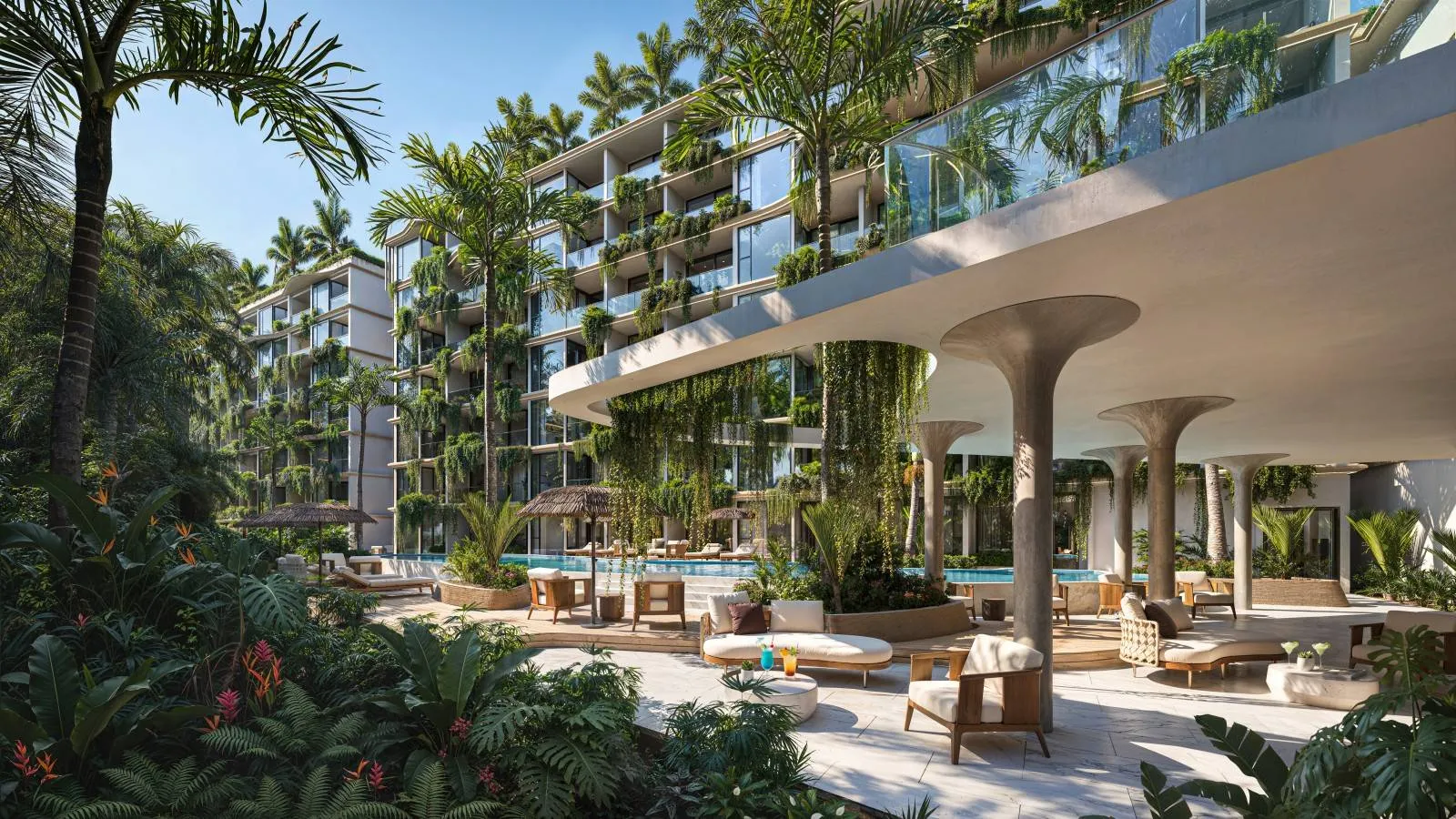 NewSee the offerBang Tao (Laguna), PhuketSUN HILLS Lakesidestudio-1 bedrooms · 30-77 m² · Completion: Q3 2027Price from3 376 000 THBROI / year7%
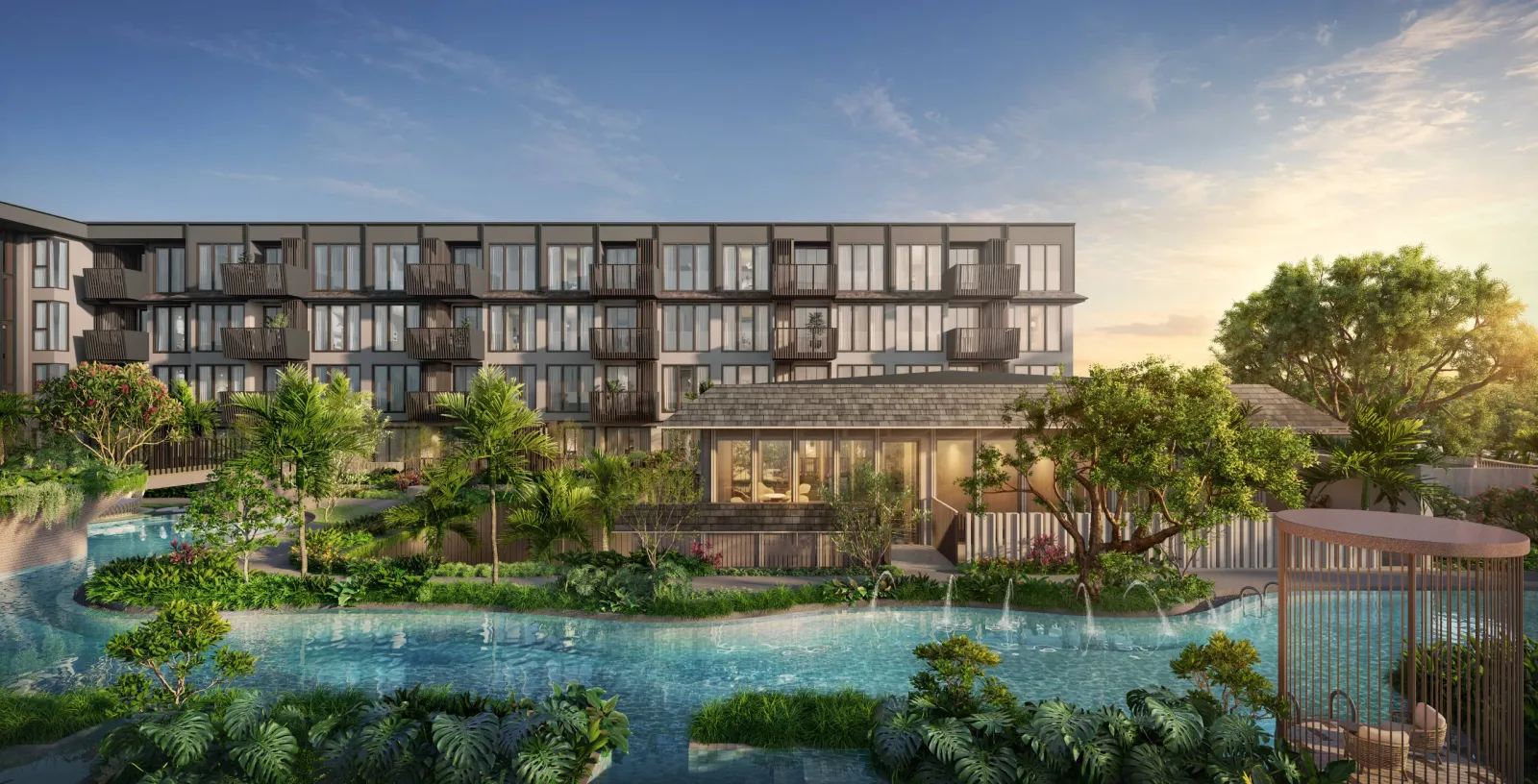 NewSee the offerBophut, Koh SamuiThe Astra Samuistudio-2 bedrooms · 26-74 m² · Completion: December 2028Price from3 426 000 THBROI / year8%+
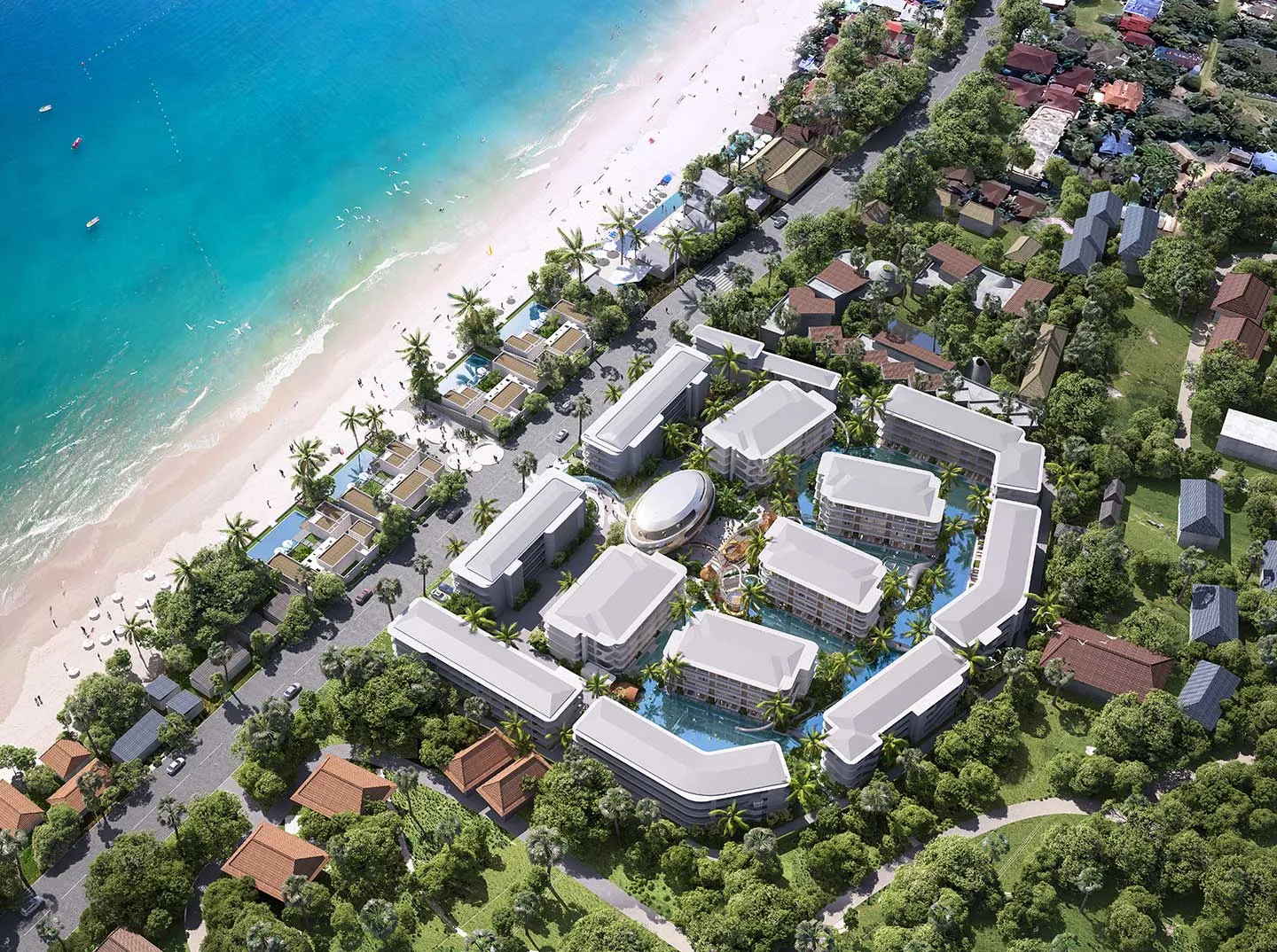 NewSee the offerBophut, Koh SamuiANAVA Samuistudio-2 bedrooms · 28-59 m² · Completion: Under constructionPrice from3 500 000 THBROI / year8-12%
See all property for sale (28)
Prices in our offer by location
Why buy property in Thailand
Thailand is one of the most visited countries in Asia, and that steady flow of visitors is what makes Thai real estate attractive. Holiday rental demand runs through most of the year, international airports connect the islands with Bangkok and the rest of the world, and private hospitals, international schools and English speaking services are easy to find.
Prices are the second reason. A new condo in a good resort location often costs less than a comparable apartment in Spain, Portugal or the south of France, and it usually comes with a swimming pool, a gym, security and reception included in the building.
Can foreigners buy property in Thailand?
Yes. The simplest route is a condo in a building registered as a condominium. A foreigner can own a condo unit outright (freehold) as long as foreign ownership in the building stays within 49% of the total unit area.
Land is different. Foreigners generally cannot own land in Thailand, so villas and houses are usually bought on a registered long term lease of the land (leasehold), while the house itself can belong to the buyer. Both structures are legal and widely used, and both should be checked by an independent lawyer.
Types of property for sale in Thailand
- Condos and apartments: from studios to penthouses, freehold for foreigners, the most popular choice for investors.
- Pool villas: private pool, garden and space, usually on a 30 year registered lease.
- Off plan property: bought from the developer during construction, paid in instalments.
- Ready property: finished units you can move into or rent out straight away.
- Resort villas and branded residences: managed by a hotel operator that rents them out when you are away.
Where to buy: Phuket, Koh Samui and Pattaya
- Phuket: the largest holiday property market in Thailand, with hundreds of developments from Bang Tao and Kamala to Karon, Kata and Rawai.
- Koh Samui: a quieter island in the Gulf of Thailand, known for sea view pool villas and boutique condo projects.
- Pattaya: a beach city about two hours from Bangkok with a lower entry price and year round life.
Thailand property prices
New condos in popular locations start from around 3.3 million THB. Pool villas usually cost several times more, depending on plot size, the view, the distance to the beach and the finish.
On top of the price you should budget for buying costs: your share of the 2% land office transfer fee (often split with the developer), a one off sinking fund for the building and annual common area fees. We list every cost for each property before you reserve.
How to buy property in Thailand step by step
- Agree your goal, budget and timing with your advisor.
- Shortlist and view properties on site or by video call.
- Reserve the unit with a deposit.
- Legal due diligence: land title, permits, developer track record and the foreign quota.
- Sign the sale and purchase agreement in English and pay from abroad with a Foreign Exchange Transaction (FET) form.
- Transfer ownership at the land office and collect the keys.
Buying for holidays, rental income or a move
Many buyers combine goals: they spend the European winter in Thailand and let a management company rent the property for the rest of the year. Others buy purely as an investment property for rental yield, and some relocate for retirement or remote work. The best location and property type depend on which of these matters most to you.
Freehold vs leasehold in Thailand
Freehold means you own the unit outright, with a title deed in your name and no time limit. In Thailand this is available to foreigners for condo units within the foreign quota.
Leasehold means you hold a registered right to use the land for a set period, usually 30 years, often with renewal options in the contract. It is the standard route for villas and houses. A well drafted, registered lease is a recognised and widely used structure, but it should always be reviewed by an independent lawyer.
Buying costs and taxes in Thailand
- Land office transfer fee: 2% of the appraised value, often split between buyer and developer.
- Other transfer taxes, which the contract assigns to the buyer or the seller.
- Sinking fund for a condo, paid once at handover.
- Annual common area fee, charged per square metre.
- Lease registration fee and stamp duty for villas on leased land.
- Lawyer fees and, if needed, furniture.
Off plan or ready property
Off plan property is bought during construction and paid in instalments, usually at a lower price than after completion. Ready property can be used or rented straight away and you see exactly what you buy. Many buyers choose off plan for investment and ready property for their own immediate use.
Who buys property in Thailand
- Winter residents from Europe who want their own home for the cold months.
- Investors looking for rental income from holiday guests.
- Families relocating for remote work or international schools.
- Retirees planning long stays on the islands or in Pattaya.
How BeLuxe Estate helps
We have worked in Thailand since 2022. Every client has one dedicated property advisor, in English or Polish, from the first call to the handover of keys. For buyers our service is free: 0% commission, you pay the developer price.
Frequently asked questions
Can a foreigner buy property in Thailand?
Yes. A foreigner can own a condo freehold within the 49% foreign quota of a condominium building. Villas and houses are usually bought on a registered long term land lease, with the house owned by the buyer.
How much does property in Thailand cost?
New condos in good locations start from around 3.3 million THB. Pool villas cost several times more. Current prices are listed on our offers page.
Do I need to travel to Thailand to buy?
Not always. Viewings, reservation, legal checks and signing can be done remotely, and the land office transfer can be completed by a representative with a power of attorney.
Can I get a mortgage in Thailand as a foreigner?
Thai bank mortgages are hard to obtain for non residents. Most buyers pay from their own funds, often in instalments during construction.
Does buying property give me a Thai visa?
No. Owning property does not grant residency. Long stays need a separate long term visa.
What is the difference between freehold and leasehold in Thailand?
Freehold is outright ownership with a title deed and no time limit, available to foreigners for condo units. Leasehold is a registered right to use the land for a set period, usually 30 years, used for villas and houses.
What are the costs of buying property in Thailand?
Mainly a share of the 2% transfer fee, other transfer taxes set by the contract, a sinking fund, annual common fees and a lawyer.
Where is the best place to buy property in Thailand?
Phuket for the largest holiday market, Koh Samui for boutique villas and Pattaya for a lower entry price and long term rentals.
This article is for information only and is not legal, tax or investment advice.