
Property type
Condo in Thailand: how foreigners buy a freehold condominium
Condo is the word you hear in every conversation about Thai property, and it decides whether a foreigner can own a unit freehold. Here we explain what a condominium is in Thailand, how the 49% foreign quota works and what to check before buying a freehold condo.
Current offers: Condominium
A selection from our current offer, cheapest first. The list updates itself whenever offers change.
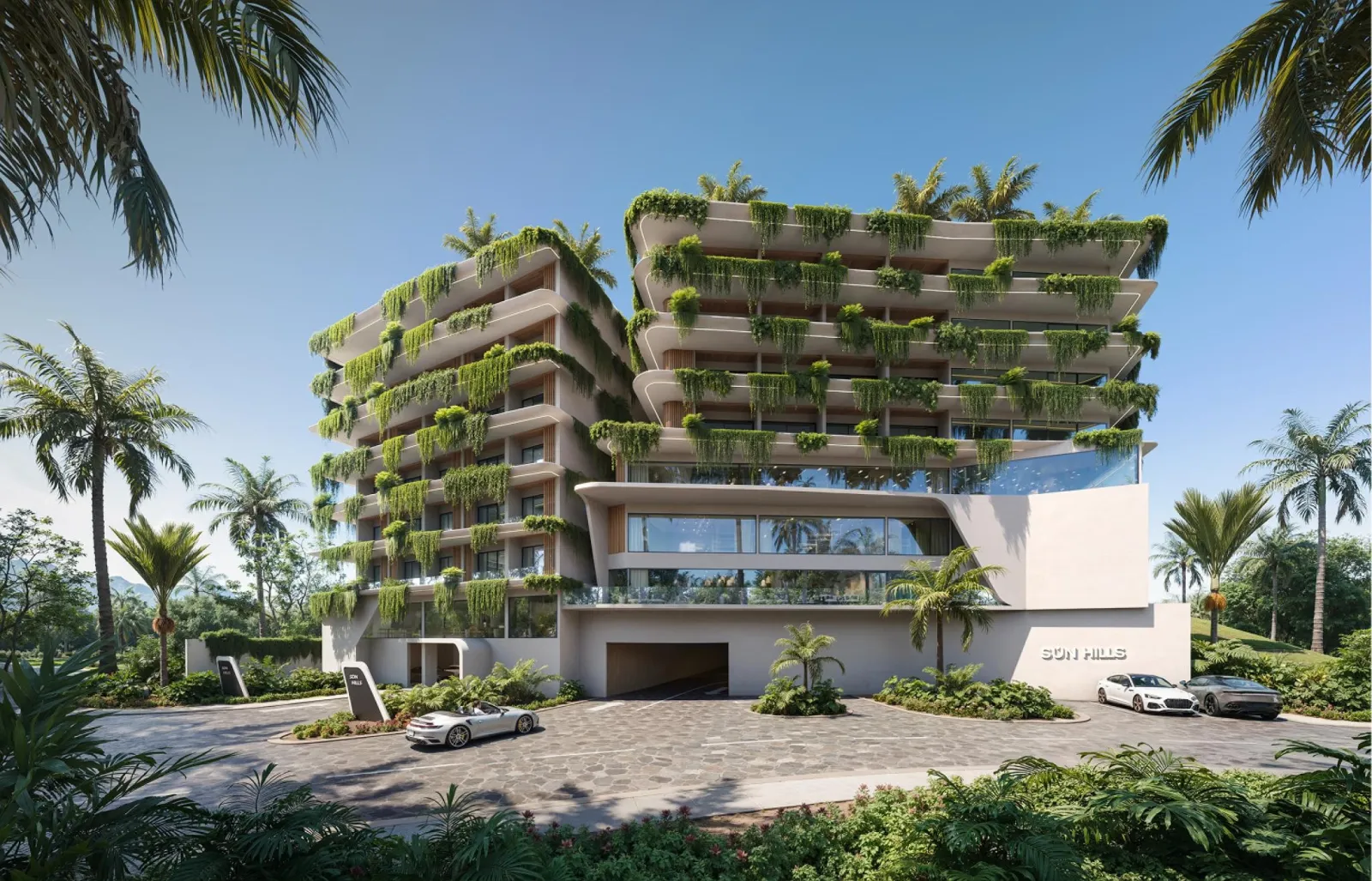 NewSee the offerLayan, PhuketSUN HILLS Layanstudio-3 bedrooms · 26.5-85 m² · Completion: Q4 2027Price from3 000 000 THBROI / year12-15%
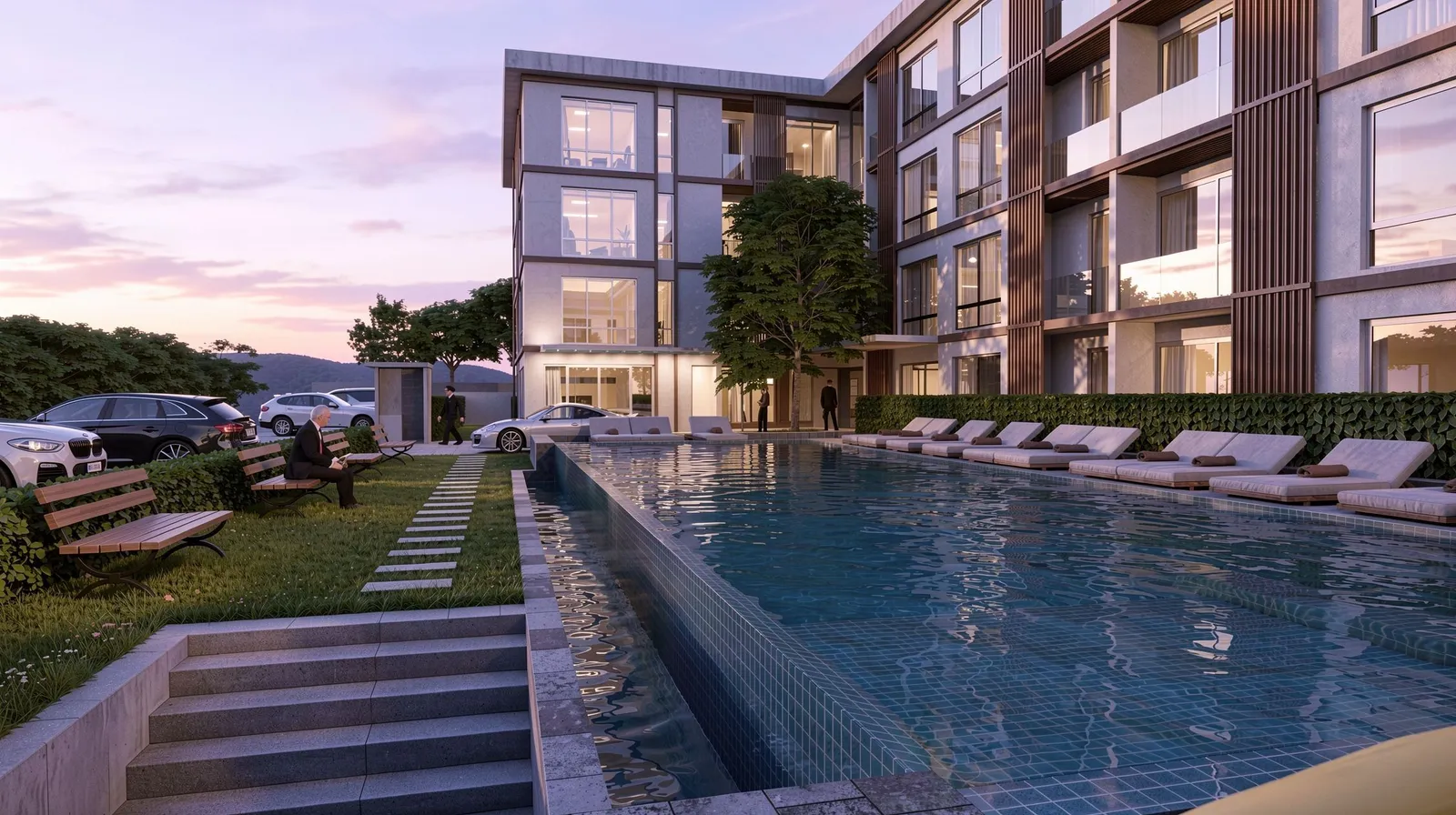 NewSee the offerBophut, Koh SamuiThe Boon Samuistudio-2 bedrooms · 32-54 m² · Completion: under construction (started Aug 2026)Price from3 084 650 THBROI / yeardo 10%
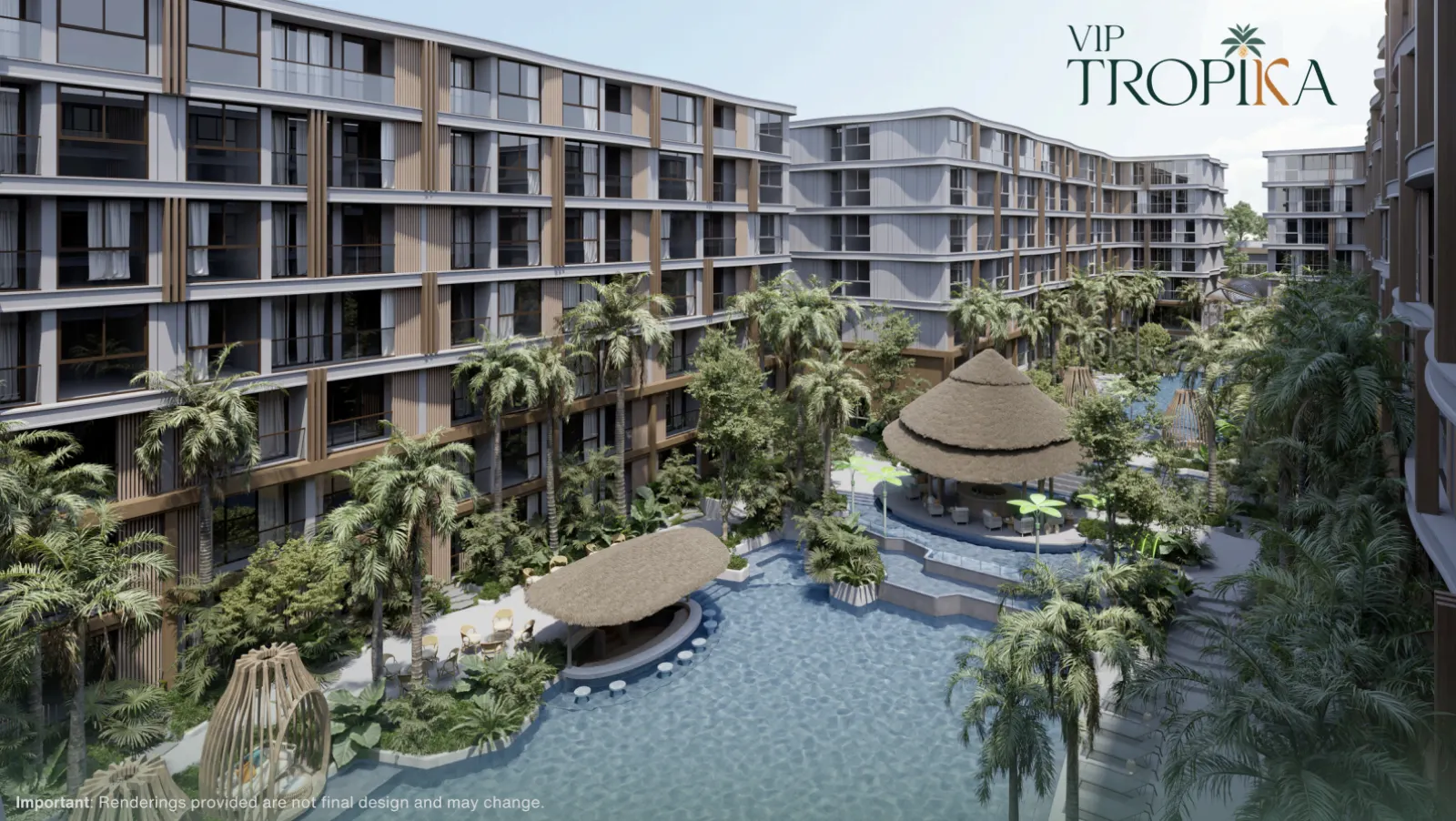 NewSee the offerBang Tao, PhuketVIP Tropika Bangtaostudio-3 bedrooms · 28-192 m² · Completion: 2028Price from3 300 000 THBROI / year8-12%
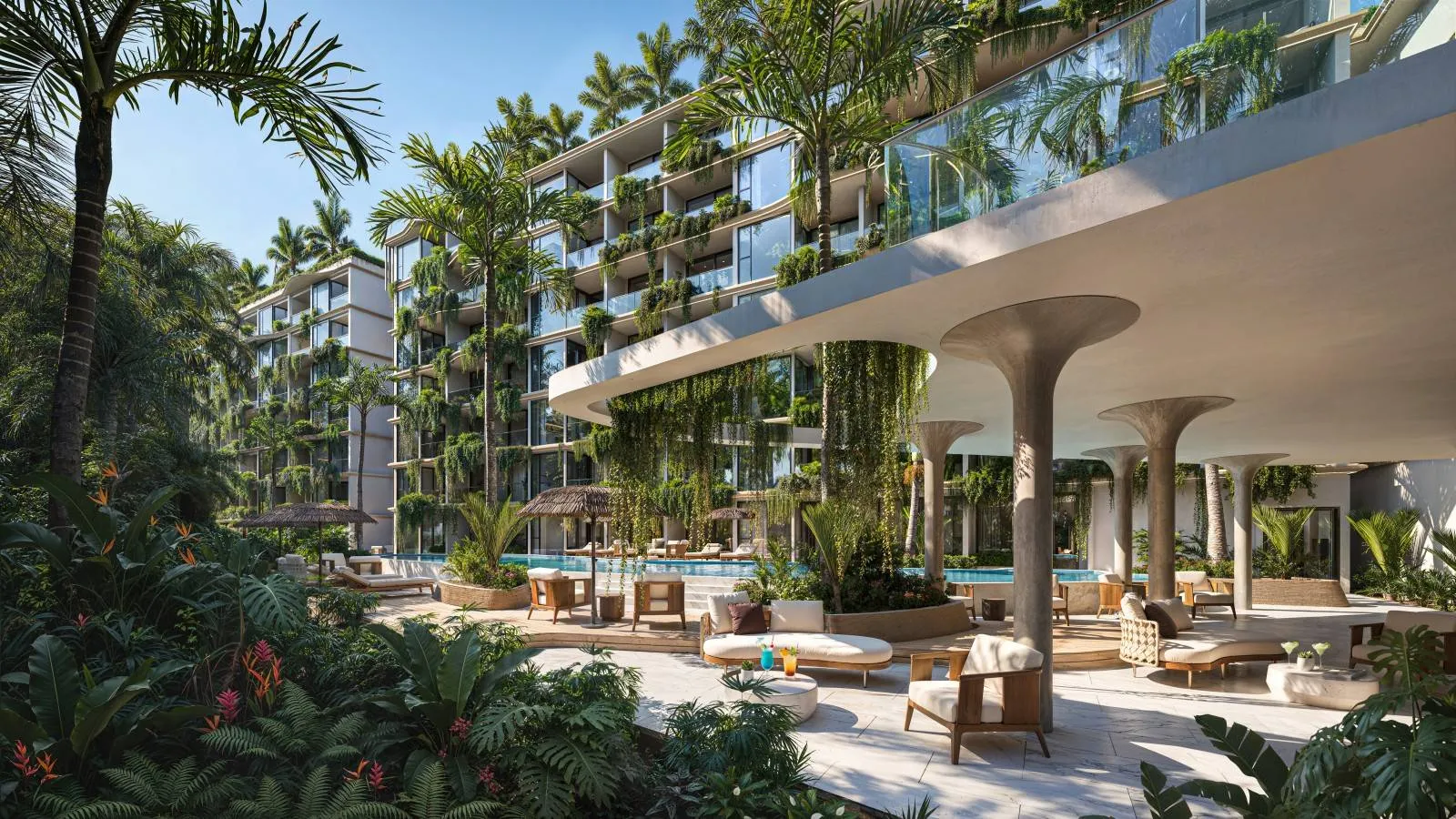 NewSee the offerBang Tao (Laguna), PhuketSUN HILLS Lakesidestudio-1 bedrooms · 30-77 m² · Completion: Q3 2027Price from3 376 000 THBROI / year7%
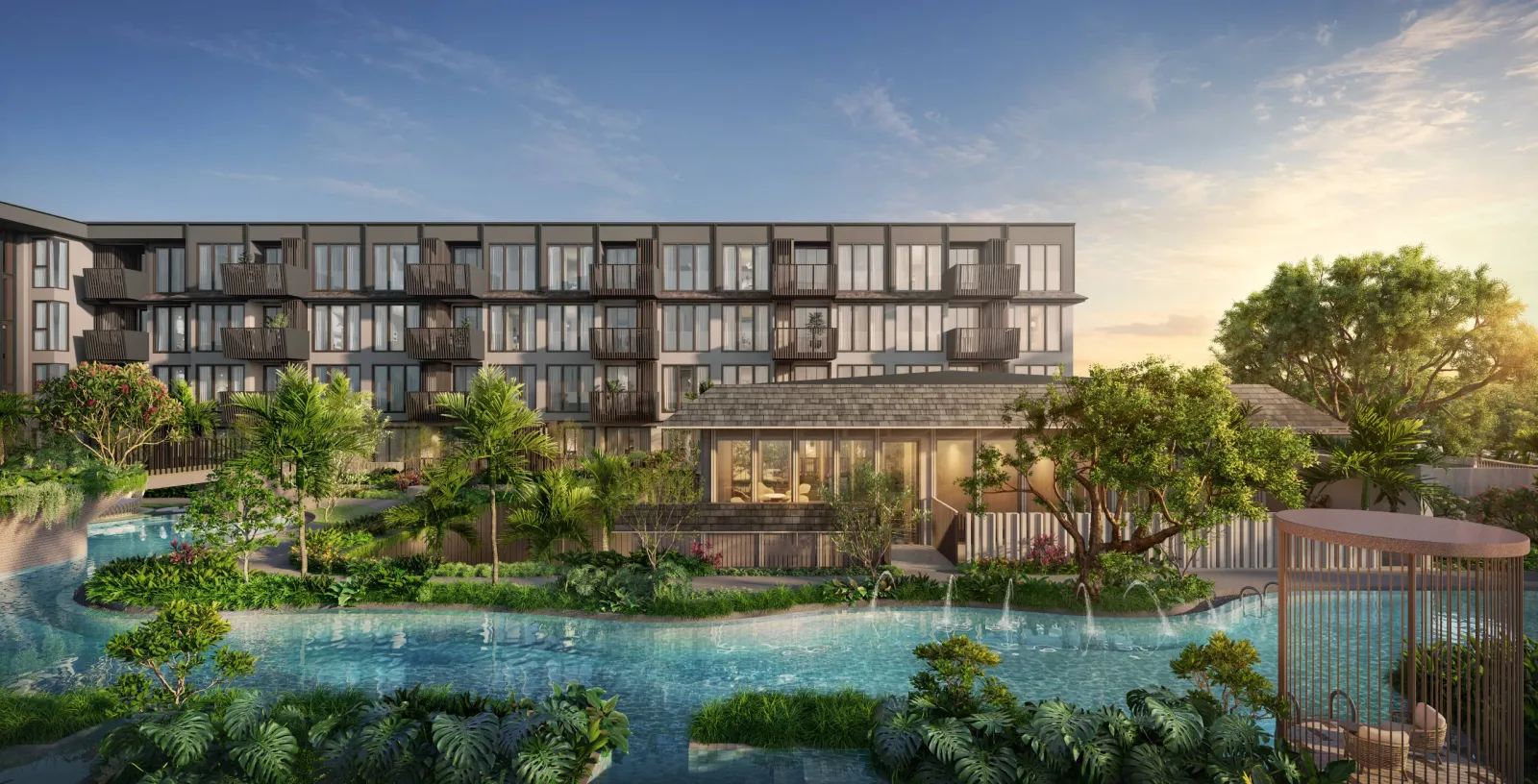 NewSee the offerBophut, Koh SamuiThe Astra Samuistudio-2 bedrooms · 26-74 m² · Completion: December 2028Price from3 426 000 THBROI / year8%+
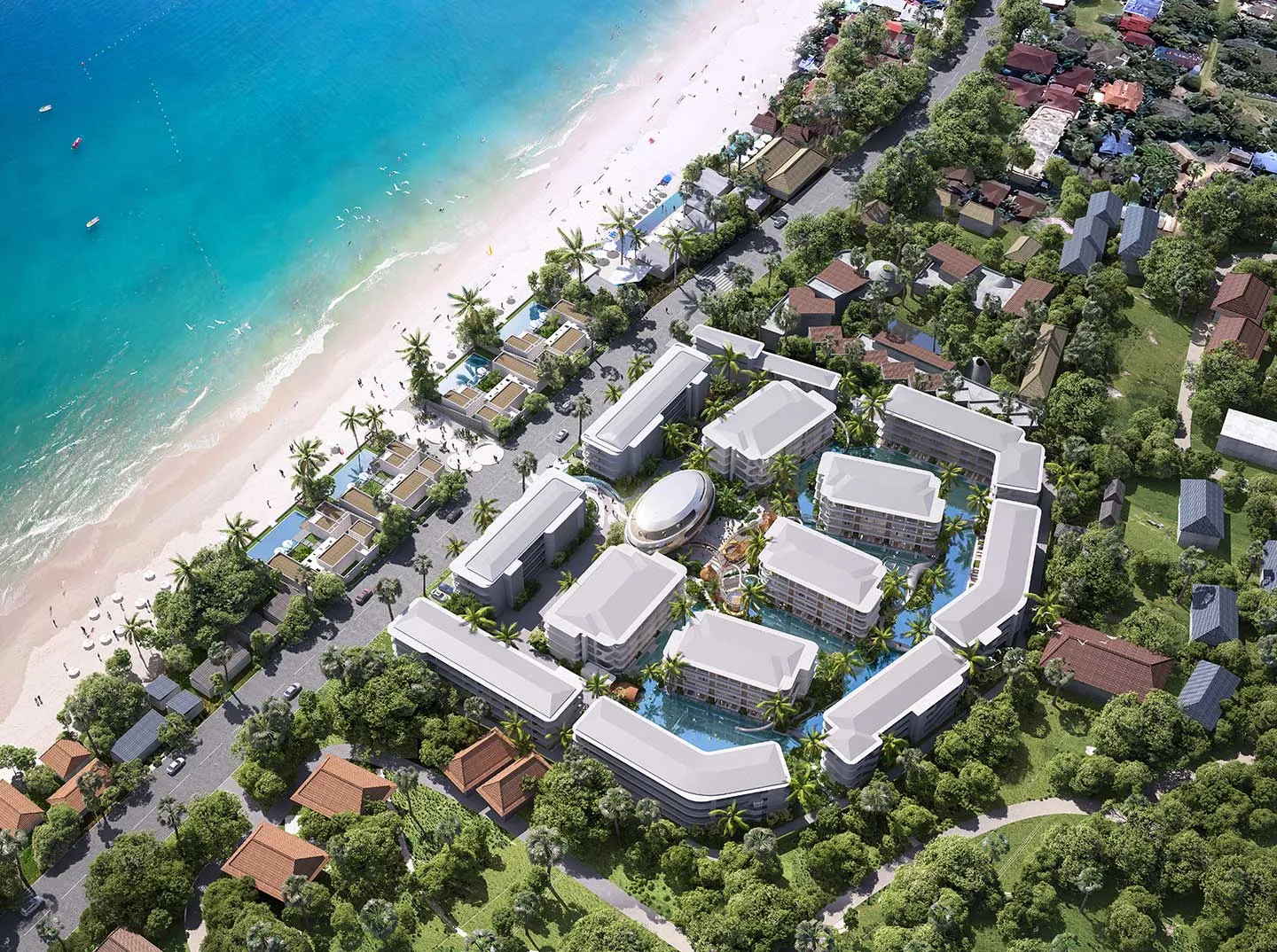 NewSee the offerBophut, Koh SamuiANAVA Samuistudio-2 bedrooms · 28-59 m² · Completion: Under constructionPrice from3 500 000 THBROI / year8-12%
Prices in our offer by location
What is a condo (condominium) in Thailand
A condominium is a building registered under the Thai Condominium Act, where each unit has its own owner and title deed, while the common areas (pool, garden, reception, corridors) belong to all owners and are maintained from their fees.
The 49% foreign quota
Foreigners together may own up to 49% of the total unit area in a building. The rest must be owned by Thai nationals or Thai entities. When the foreign quota is used up, a unit can only be bought in another form, for example on a long term lease.
Money from abroad and the FET form
To register a freehold condo in your name, the purchase money must be sent from abroad in a foreign currency and converted in a Thai bank. The bank issues a Foreign Exchange Transaction form (FET), which the land office asks for at the ownership transfer.
Condo fees
- A one off sinking fund paid at handover.
- An annual common area fee per square metre.
- Utilities, internet and insurance for the unit.
Freehold condo or leasehold condo
A freehold condo gives you a title deed in your own name with no time limit, and you can sell or pass it on. A leasehold condo is a registered lease, usually for 30 years, and is used when the foreign quota is full. Freehold is generally the stronger choice when it is available.
How to check the foreign quota
The developer or the building management can confirm how much foreign quota is left. We ask for written confirmation for your specific unit before you pay a deposit, because quota is allocated in order of purchase.
The condo title deed
After the transfer at the land office you receive a condominium title deed in your name. It shows the unit number, floor and area, and it is the document you will need to sell or pass on the unit.
Condo rules and the owners association
Every condominium has rules set by the owners association, covering pets, renovations and rentals. Short stays under 30 days need a licence, so many buildings only allow them through a licensed operator. Read the rules before buying if you plan to rent.
Buying costs of a condo: example for a 4 million THB studio
Indicative buyer costs when buying a 35 m² studio for 4,000,000 THB from a developer:
- Half of the transfer fee (1% of the appraised value): up to about 40,000 THB.
- Sinking fund (about 500 THB per m², once): about 17,500 THB.
- Common area fees for a year in advance (about 50 THB per m² a month): about 21,000 THB.
- Independent lawyer: usually 30,000-50,000 THB.
- Total: about 110,000-130,000 THB, roughly 3% of the price.
Mortgage for a condo as a foreigner
Thai banks rarely lend to foreigners, so most buyers pay from their own funds. Off-plan condos are paid in instalments tied to construction, often interest-free, and some developers offer in-house financing for part of the price after completion.
Condo in Thailand vs condo for sale: which page to read
This guide explains how condominium ownership works for foreigners. To compare current projects, prices and locations, see our page with condos for sale in Thailand.
What to check before buying a condo
- That the building is, or will be, registered as a condominium.
- That foreign quota is still available for your unit.
- The building rules, including short term rentals.
- The developer track record and the payment schedule.
Frequently asked questions
What is the difference between a condo and an apartment in Thailand?
In practice they are the same unit. Condo is the legal form of the building that allows foreigners to own units freehold.
What happens when the 49% quota is full?
The unit can then only be bought another way, usually on a long term lease. That is why we confirm quota before any reservation.
Who manages a condo building?
The owners association (juristic person) and the management company it appoints, paid from common area fees.
Do I get a title deed for a condo?
Yes. A freehold condo has its own title deed registered in the owner name at the land office.
How do I know if a building is a registered condominium?
Ask for the condominium registration or, for off plan projects, the plan to register it. Your lawyer can verify it at the land office.
Can I own more than one condo in Thailand?
Yes, as long as foreign quota is available in each building and the funds come from abroad.
Can foreigners buy a condo in Thailand?
Yes. A unit in a registered condominium can be owned freehold, as long as it fits within the 49% foreign quota and the money comes from abroad.
What are the yearly costs of a condo?
The common area fee is usually 50-90 THB per m² a month, so about 21,000-38,000 THB a year for a 35 m² studio, plus electricity, water, internet and insurance.
Can I get a mortgage for a condo in Thailand?
Rarely as a foreigner. Most buyers pay from their own funds or use the developer’s instalment plan during construction.
This article is for information only and is not legal, tax or investment advice.